History & The Unit
A History Primer for the United States Signal Corps
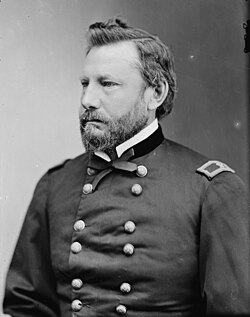
The United States Army Signal Corps traces its origins to the vision and ingenuity of Major Albert J. Myer, a surgeon who developed a system of visual signaling using flags, torches, and telegraphy to communicate across great distances. Initially established on June 21, 1860 and confirmed by Congress in 1863, the Signal Corps became an indispensable part of the Union Army during the Civil War, providing commanders with the ability to coordinate movements, relay battlefield intelligence, and manage the expanding network of military telegraphs.
As the war progressed, the Signal Corps became an increasingly professional and essential organization. During the Battle of Fredericksburg (December 1862) and later at Chancellorsville, Union signal stations—often perched atop church steeples or high hills—provided critical reconnaissance, reporting enemy movements and relaying orders even amid chaos. One of the Corps’ most famous contributions came during the Battle of Gettysburg in July 1863. Signal officers under Captain Lemuel B. Norton manned Little Round Top, maintaining communication with General Meade’s headquarters while simultaneously spotting and reporting Confederate troop movements. Their signal flags could be seen across the lines, and their timely reports helped the Union anticipate and counter Confederate attacks. Some historians credit these observations with contributing to the Union’s successful defense of its left flank.
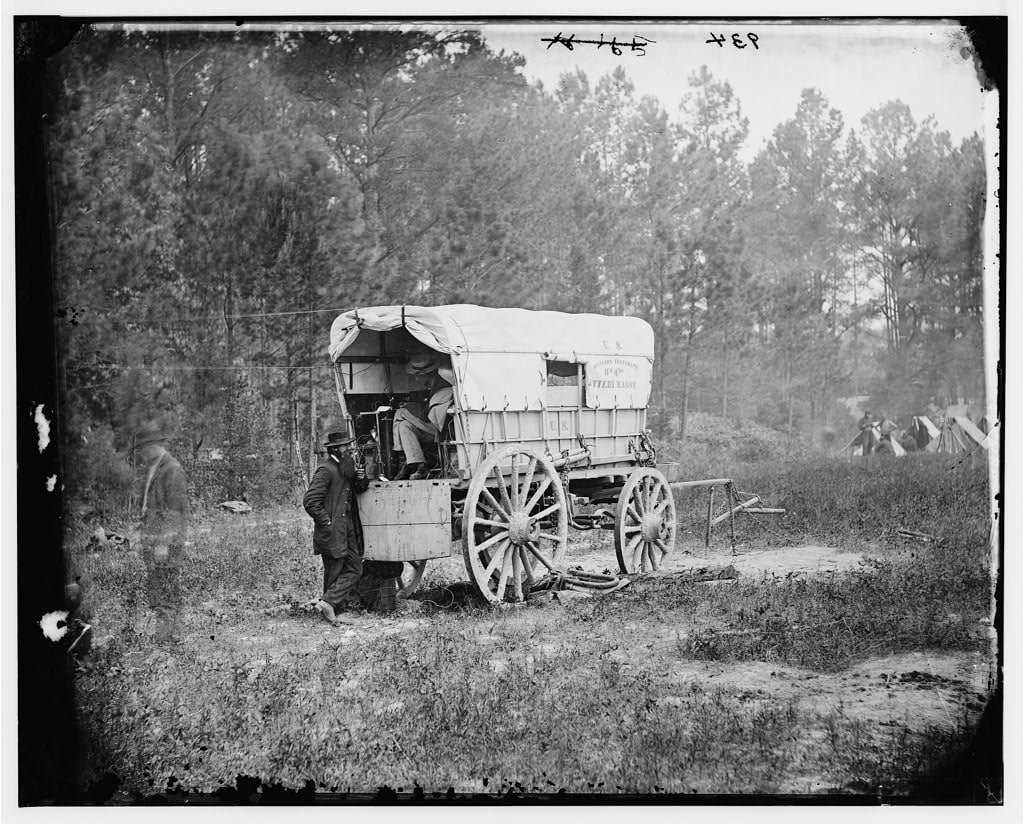
While the visual signaling system was invaluable in the field, it was the United States Military Telegraph (USMT)—a separate organization staffed mainly by civilian operators—that handled much of the long-distance communication between Washington and the armies. Nonetheless, the Signal Corps worked alongside and often overlapped with the USMT, particularly in the Western Theater. During the Vicksburg Campaign in 1863, Signal Corps detachments provided General Ulysses S. Grant with a steady flow of communication across the Mississippi River and between scattered army units. Despite harsh terrain and Confederate resistance, Union signalmen relayed orders and reconnaissance reports that allowed for the careful coordination of naval and land forces, contributing to the eventual siege and surrender of the city.
By 1864, the Signal Corps had become indispensable to the Union war machine. Its officers and enlisted men were attached to nearly every major army and department, serving from the Gulf of Mexico to the Potomac. As General William T. Sherman launched his Atlanta Campaign and the subsequent March to the Sea, his forces relied heavily on signal communication to maintain control over vast, moving columns of troops. During the march, signal detachments operated telegraph wagons and field stations, relaying reports to Sherman’s headquarters and maintaining contact with Washington through relays that stretched back hundreds of miles. Sherman himself often expressed greater trust in his Signal Corps officers than in the civilian USMT telegraphers, as the former were under military discipline and could be counted on to act with discretion and mobility.
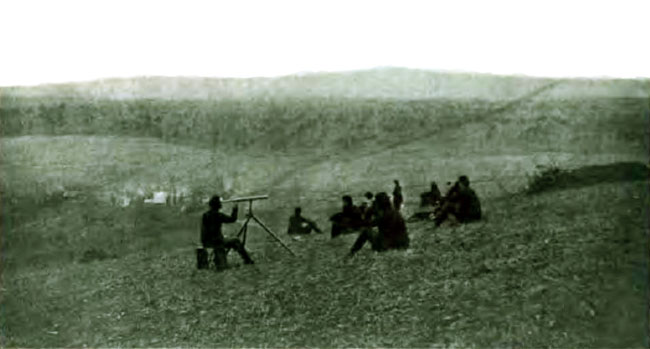
Signal officers also served a vital role in intelligence and observation. From mountain tops, church steeples, and observation towers, they watched enemy movements, corrected artillery fire, and even intercepted Confederate wig-wag messages. Some detachments engaged in counter-signal work—decoding or disrupting Confederate communications. At times, they operated under fire, as at Spotsylvania, Petersburg, and Atlanta, where flags waved through smoke and bullets to keep Union commanders informed. These acts of courage and technical skill earned the Corps a reputation for ingenuity and discipline.
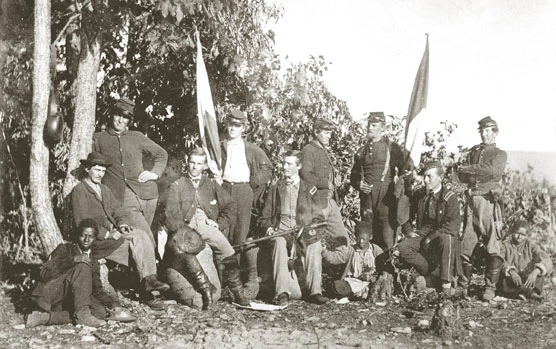
By the end of the Civil War, the Signal Corps had established itself as an indispensable part of the modern army. Its innovations in visual signaling, field telegraphy, and communications intelligence laid the groundwork for the future of military communication. From the first tentative flag wig-wags on the Virginia Peninsula to the organized networks of telegraph lines and signal towers stretching across the South, the Corps had evolved into a professional and respected branch of service. In total, more than 2,500 officers and men served in the Signal Corps during the conflict, many of whom went on to shape the development of the Corps in the decades to come after the conflict.
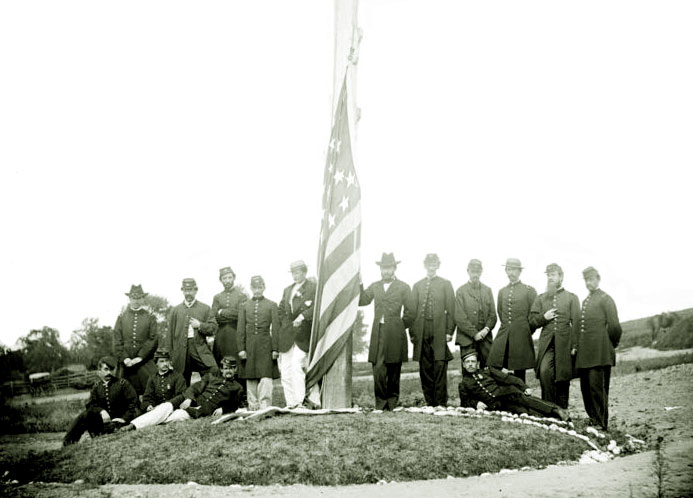
In retrospect, the Civil War proved to be the proving ground for the Signal Corps’ core mission—to connect the Army. Whether high on Little Round Top, watching the Mississippi from a signal tower at Vicksburg, or relaying Sherman’s orders across the scorched fields of Georgia, the Signal Corps demonstrated the power of communication as a weapon of war. It transformed command and control from guesswork to science, setting the stage for the communication networks that would define modern warfare.
OKC Signal Corps - "The Western Detachment"
Founded in 2025, the OKC Signal Corps, officially known as the Signal Corps, Western Detachment, is an authentic living history unit dedicated to preserving and interpreting the work of the United States Army Signal Corps during the American Civil War.
Our members portray both officers and enlisted signalmen, demonstrating the visual signaling and telegraphy techniques that connected armies across vast distances. Through the use of period-correct equipment—including signal flags, torches, and field telegraph sets—we bring to life the innovative communication systems that revolutionized military coordination and laid the foundation for modern communications across America.
The detachment participates in reenactments, living history programs, and educational demonstrations throughout the region. Our mission is to honor the ingenuity and service of the men who first organized military communications and to help the public understand how their work changed the course of warfare and technology alike.
Unit Leadership
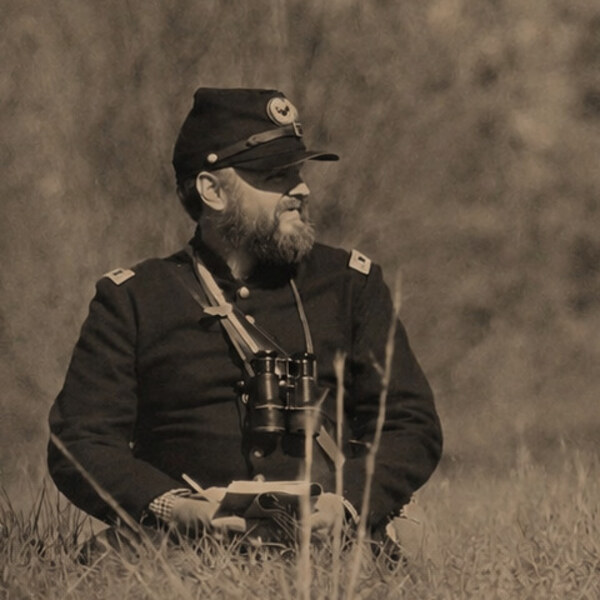
Photo credit Curtis Payne
1st LT D. Myszewski
Signal Officer, W. Detachment
Originally from Wisconsin turned OKie, 1st LT Myszewski has been a Civil War Reenactor in some fashion since 2002. He carries a great love for the hobby and for the time period that was one of the greatest turning points in the destiny of the United States of America.
1st LT Myszewski provides overall leadership for the unit and is the first point of contact for all things OKC Signal.

2nd LT D. Cartwright
Assistant Signal Officer, W. Detachment
While newer to reenacting, 2nd LT Cartwright is amoungst his many talents a history teacher with a deep love for the history of the United States of America.
2nd LT Cartwright operates as the second in command of our unit and is typically found commanding the most distant signal posts at events. He is the primary trainer for new recruits joining the Western Detachment.